In 1997, multimedia on the web was still in its infancy. Creating rich interactive experiences required a patchwork of browser plugins and proprietary technologies. This section explores the multimedia technologies that were cutting-edge in 1997 and that were utilized in the original MINT for ACME application.
Key Multimedia Technologies (1997)


Multimedia Resources
The following links point to multimedia technology resources as they appeared in 1997, preserved through the Internet Archive's Wayback Machine.
-
 Yahoo Multimedia IndexYahoo's directory of multimedia resources, showcasing the latest in web-based multimedia technology.View in Wayback Machine
 -
TechWebTechnology news site with coverage of emerging multimedia technologies and their applications.View in Wayback Machine
-
MacromediaOriginal home of Flash technology, before Adobe's acquisition. Featured technology showcases and developer resources.View in Wayback Machine
-
VRML RepositoryCollection of VRML models and resources for 3D web content creation and viewing.View in Wayback Machine
MINT Application Multimedia Elements
The original MINT for ACME application utilized several multimedia technologies to create an interactive experience:
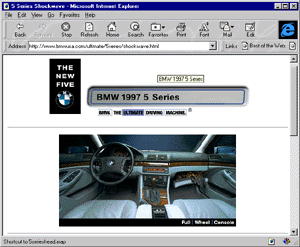
- Flash: Used for animated title banners and interactive elements
- VRML: Implemented for the 3D sitemap navigation
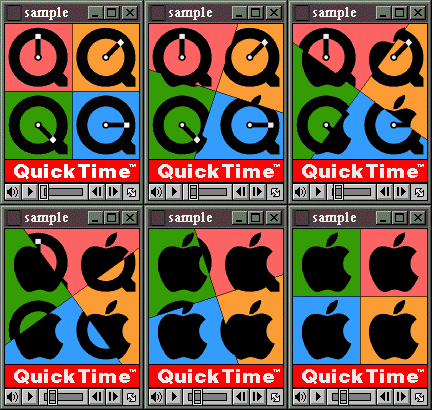
- QuickTime: Employed for vehicle demonstration videos
- WAV Audio: Used for narration throughout the presentation
These technologies combined to create what was considered a cutting-edge multimedia experience in 1997, despite the technical limitations of the time. The MINT framework demonstrated how these disparate technologies could be integrated into a cohesive business application.
Vintage Browser Plugin Showcase
Browser Compatibility


Required Plugins
 Java Virtual Machine
 Macromedia Flash
 Cosmo VRML Player
 QuickTime 3.0
Quality Badges